


In short
Winter scrubs work best as a set of thin layers rather than one heavy jacket. This guide explains the base, mid and top-up layers healthcare workers need, how bare below the elbows rules affect what you wear on an Irish ward, and which pieces suit different roles.
- Build winter scrubs in three layers: underscrub, scrub jacket or fleece, gilet.
- Keep sleeved layers easy to remove before patient contact.
- Put warmth in your core, not your sleeves.
- Wash layers at the hottest temperature the label allows.
⏱ Reading time: 6 minutes
Winter shifts have a strange temperature curve. You leave home in the dark and the drizzle, scrape the windscreen, walk into a ward that feels like a greenhouse, then spend your break in a staff room where the radiator gave up years ago. One thick jacket can't cope with all of that. Layers can.
Here's how to put together winter scrubs that keep you warm without overheating, what Irish hand hygiene guidelines mean for long sleeves, and which pieces from our women's scrub layers and men's scrub layers collections suit each part of your day.
Why layering works better than one warm jacket
Layering means wearing several thinner garments instead of one heavy one. Each layer has its own job, and you add or remove them as conditions change.
That flexibility matters in healthcare. You might be standing at the nurses' station one minute and helping with a patient transfer the next. With layers, you unzip or take one off. With a single bulky coat, you either sweat or freeze. Thin layers are also quicker to wash and dry.
The three winter layers explained
Base: underscrubs
Sits next to the skin under your scrub top. Soft, stretchy and breathable.
Mid: scrub jacket or fleece
Your main warmth for breaks, handover, night shifts and the walk in.
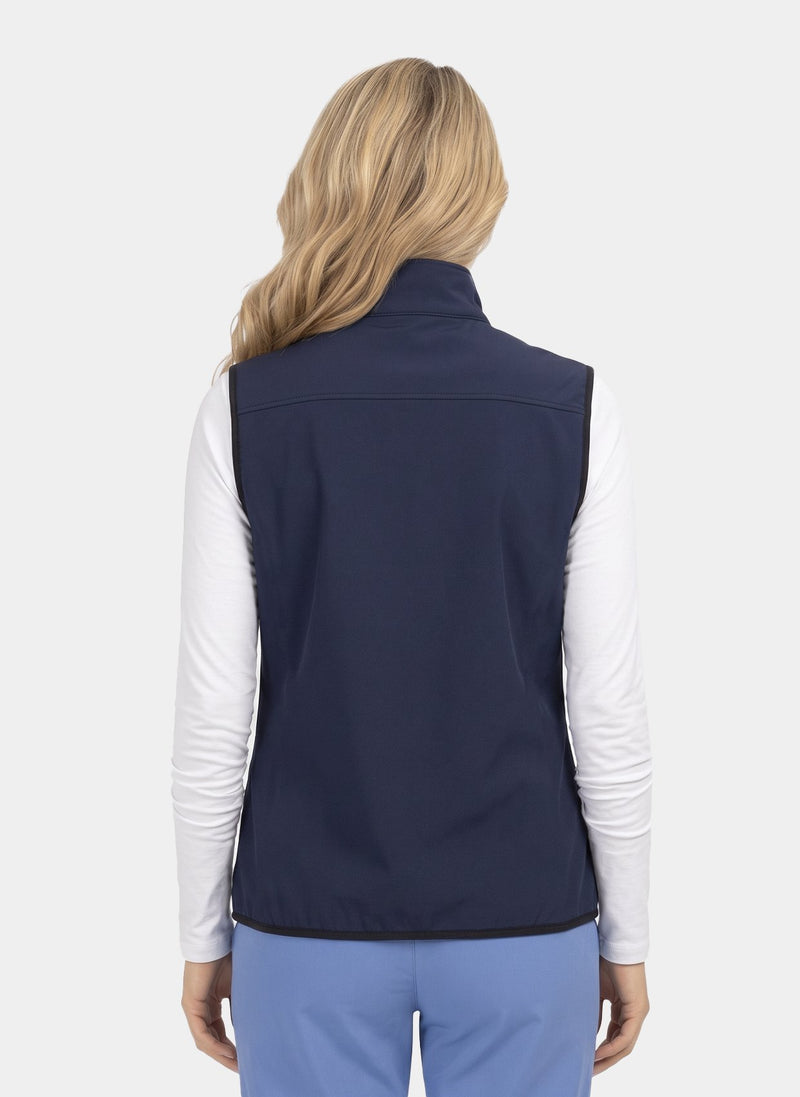
Top-up: gilet
Core warmth without sleeves, for cold corridors and community visits.
Base layer: underscrubs
A good underscrub is fitted enough to sit smoothly under your scrub top without bunching at the waist or riding up when you reach for something. The Koi Essentials Tender Tee is a good example: a cotton, modal and spandex jersey that feels soft against the skin and stretches as you move.
Breathability matters more than you'd think in winter. If you overheat on the ward, you'll feel the cold far more when you step outside. Our guide to winter nurse uniforms that don't feel bulky covers this in more detail, or browse our women's underscrubs.
Mid layer: scrub jackets and fleeces
This is where most of your warmth comes from, and there are two main styles to choose between.
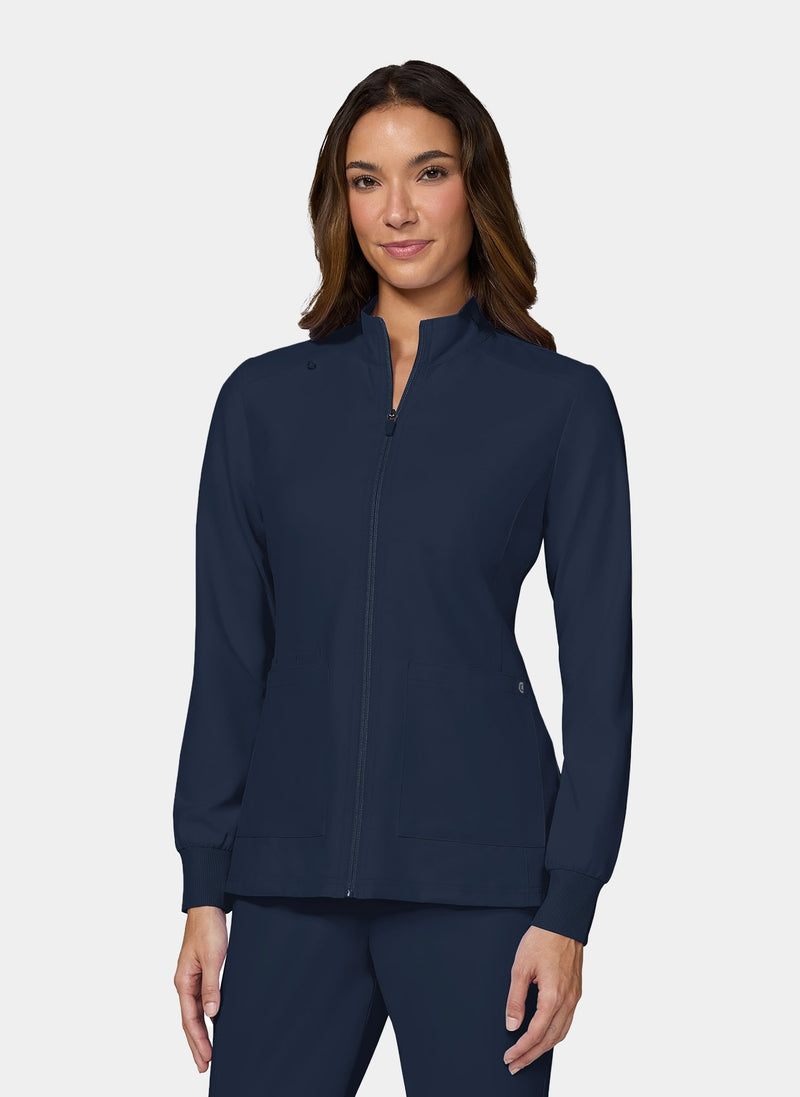
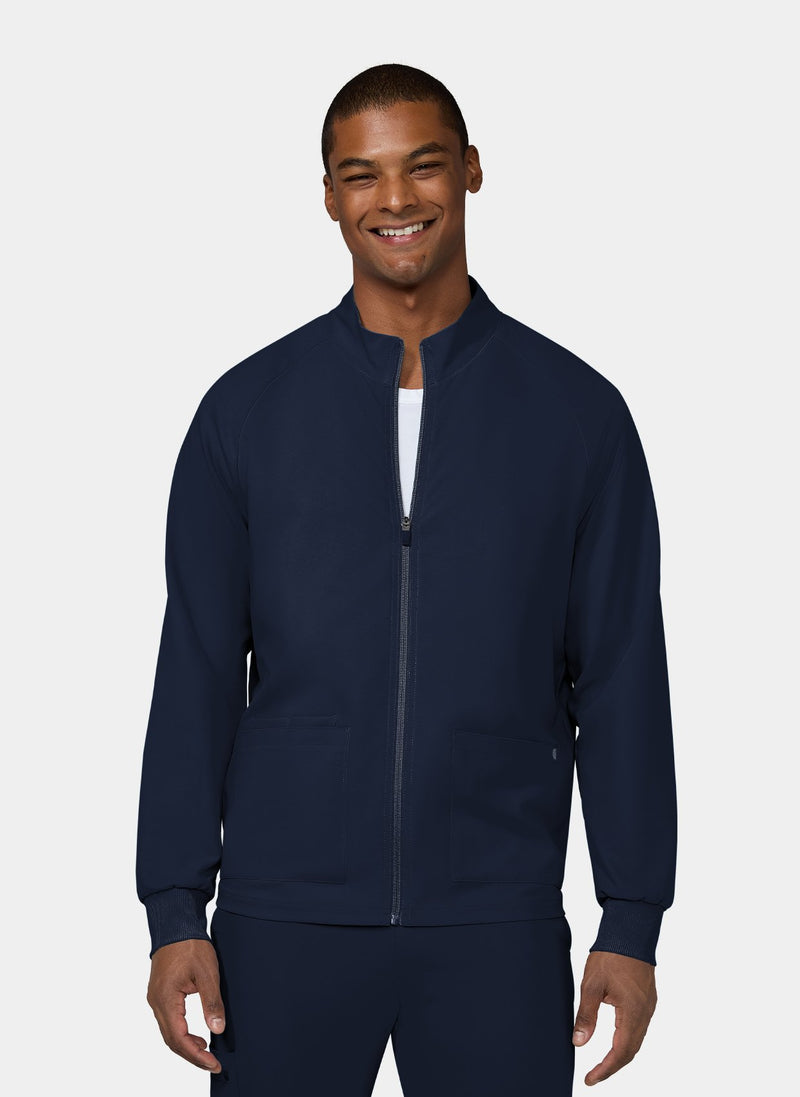
A structured scrub jacket looks smart enough for reception desks, consultations and handover. The Koi Cureology Geneses Scrub Jacket for women and the Koi Cureology Alpha Scrub Jacket for men are both made from stretch polyester twill, with a full zip and ribbed cuffs that keep the cold out at the wrist. The Geneses has two front pockets and three pen slots, while the Alpha has four pockets.
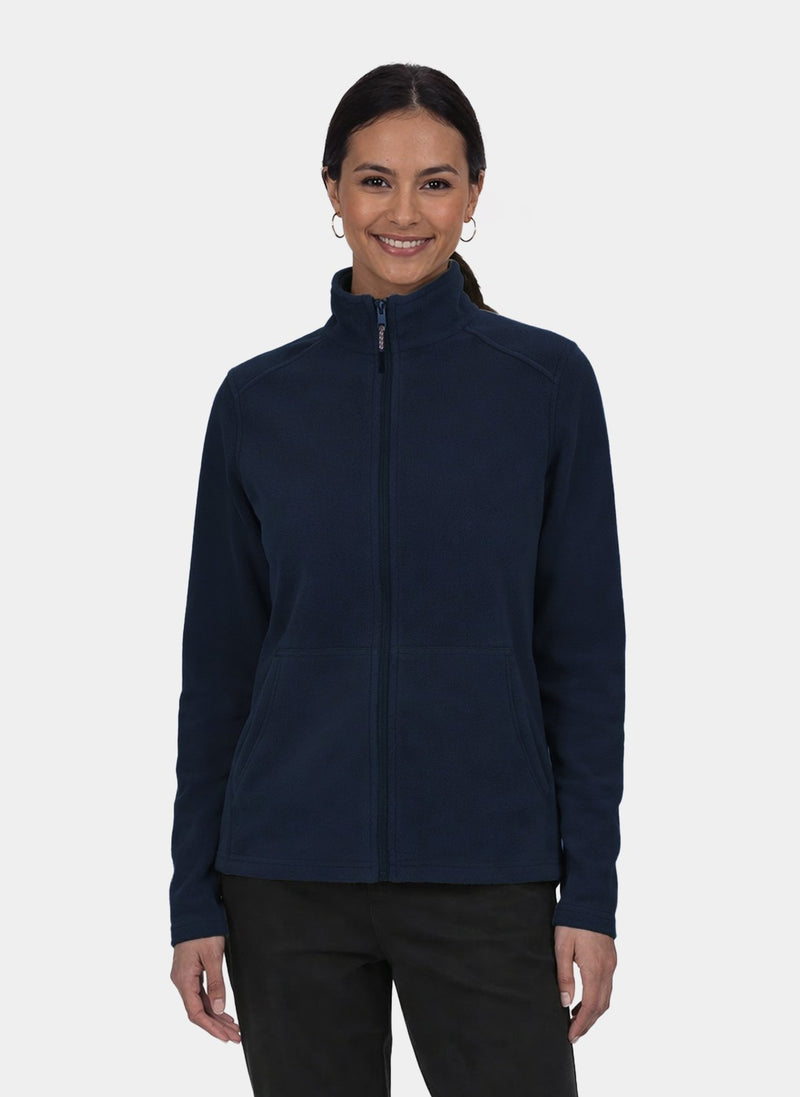
A fleece scrub jacket is the cosier option for night shifts, chilly staff rooms and the walk from the car park. The Velilla Unisex Perth Fleece Scrub Jacket is a 280 g/m² polar fleece with a high collar, front pockets and a full zip. One thing to know before ordering: it runs small, so most people size up. Check our size guide if you're between sizes.
Top-up layer: gilets
The gilet is the underrated winter layer in healthcare. It keeps your core warm and leaves your arms free, which suits community nurses, carers on home visits and anyone in a draughty outpatient area.
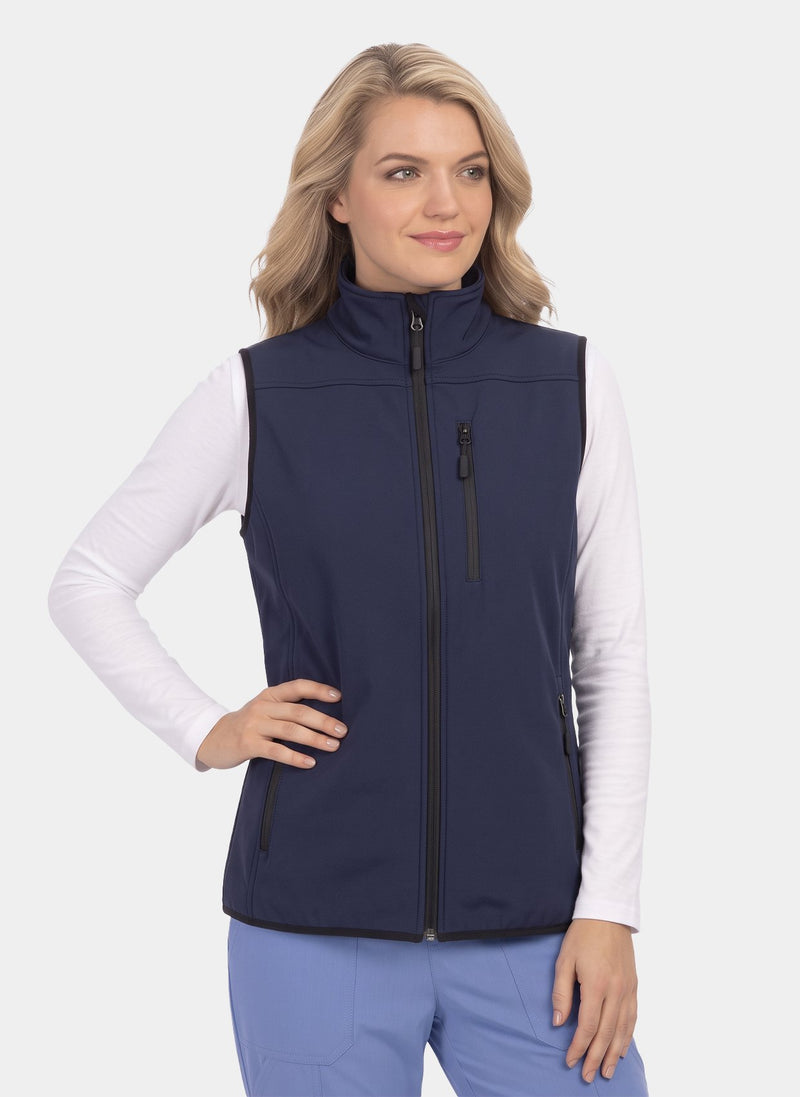
The Velilla Unisex Stretch Soft Shell Gilet pairs a stretch soft shell outer with a fleece lining. It has three zipped pockets and elastic binding at the armholes, so it stays close to the body without restricting movement.
| Layer | Its job | What to look for | Try |
|---|---|---|---|
| Base | Comfort next to the skin | Stretch, breathable fabric, smooth fit under your top | Koi Essentials Tender Tee |
| Mid | Main warmth | Full zip, snug cuffs, useful pockets | Koi Cureology Geneses or Alpha Scrub Jacket, Velilla Unisex Perth Fleece Scrub Jacket |
| Top-up | Core warmth, free arms | Warm lining, close fit at the armholes, zipped pockets | Velilla Unisex Stretch Soft Shell Gilet |
Bare below the elbows: how to layer on an Irish ward
Here's the part most winter layering guides skip. In Irish healthcare, staying warm has to work around infection control.
The national Guidelines for hand hygiene in Irish healthcare settings, published by the HSE and the Royal College of Physicians of Ireland, ask healthcare workers to bare their wrists for hand hygiene, for example by wearing a short-sleeved top or rolling sleeves up, and to remove wrist jewellery, including watches. Bare wrists make effective hand hygiene possible, so long or loose sleeves get in the way during patient care.
In practice, that changes how you layer:
- Keep sleeved layers removable. Your jacket or fleece is for corridors, breaks, handover and travel, not patient contact. A full zip makes it quick to take off before you go into a bay.
- Put the warmth in your core. A warm base layer under a short-sleeved scrub top, plus a gilet where it's allowed, keeps you comfortable while your forearms stay bare.
- Avoid loose, baggy cuffs. If you wear long sleeves in non-clinical areas, choose a fitted cuff that pushes up easily.
- Check your local policy. Every hospital, hospital group and private practice sets its own uniform policy, so read yours before buying, especially if you plan to wear a gilet in clinical areas.
Quick rule: if you'd have to roll it up to wash your hands properly, take it off before patient contact.
For more on choosing an extra layer, read why a scrub jacket is a must-have in your medical wardrobe.
Winter layering by role
The right combination depends on where you spend your shift.
Ward nurses and HCAs
Short-sleeved scrubs over an underscrub on the ward. Keep a scrub jacket or fleece for breaks, night shifts and handover.
Public health nurses and home carers
In and out of the car all day. A gilet over scrubs for core warmth, with a fleece for driving and a proper coat on top in bad weather.
Dental and clinic teams
Cool reception, warm surgery. A smart scrub jacket for front-of-house moments, taken off before treatment.
Pharmacy, labs and students
Without direct patient care, one of our lab coats over a warm layer adds a smart finish.
Common winter layering mistakes
- Relying on one heavy jacket. You'll be too warm ten minutes after walking onto the ward and end up carrying it around.
- Ordering a fleece in your usual size. Some styles run small, so always check the product notes and size guide first.
- Wearing your uniform uncovered on the commute. If you can change at work, do. If not, cover your uniform completely with a coat when travelling, and follow your employer's policy.
- Choosing low-temperature fabrics. Layers that can only be washed cool are harder to keep hygienic.
How to wash winter scrub layers
Layers pick up whatever your scrubs do, so wash them regularly too. Follow your employer's laundering policy first. Where you wash at home, UK guidance from NHS England is a useful benchmark: it notes that a ten-minute wash at 60°C removes almost all micro-organisms, and recommends washing uniforms at the hottest temperature the fabric allows.
Both the Velilla Unisex Perth Fleece Scrub Jacket and the Velilla Unisex Stretch Soft Shell Gilet are machine washable at up to 60°C. Turn them inside out, skip the bleach and tumble dry on low. For tougher marks, our scrub care guide has stain removal tips.
Build your winter layers
Underscrubs, scrub jackets, fleeces and gilets for every shift, with embroidery done in-house if you want your name or team logo added. Buying for a colleague? See our gift guide for healthcare workers.
FAQ about winter scrubs
What should I wear under scrubs in winter?
A fitted, breathable underscrub is the best base layer. Look for soft, stretchy fabric that sits smoothly under your scrub top. If your workplace follows bare below the elbows, choose short sleeves for clinical areas, or long sleeves you can push up and secure.
Can nurses wear a fleece over scrubs on the ward?
Usually not during direct patient care. Irish hand hygiene guidelines ask healthcare workers to keep their wrists bare during patient care. A fleece or scrub jacket is fine for breaks, handover, corridors and travel, but your local policy has the final say.
Is a gilet a good winter layer for healthcare workers?
Yes, for many roles. A gilet keeps your core warm while leaving your arms free, which suits community visits and cold non-clinical areas. Check your local dress code before wearing one in clinical areas.
What temperature should I wash scrub layers at?
Wash at the hottest temperature the fabric allows. UK guidance from NHS England says a ten-minute wash at 60°C removes almost all micro-organisms. Many fleece and gilet styles can be washed at up to 60°C, but always check the care label first.